How to Improve Lead Conversion Rate: A Simple Beginner Guide That Actually Works
- abdulhadiiliasmark
- May 25
- 5 min read
Key Takeaways:
• Improving lead conversion rate means turning more visitors into real customers without needing extra traffic
• A clear landing page with simple messaging and a strong call-to-action can quickly increase conversions
• Trust is very important, so adding reviews, testimonials, and real examples helps people feel safe to buy
• Following up with leads through email, fast replies, and remarketing can significantly boost conversion resultsIf you are getting traffic but not getting enough customers, you are not alone.

Many beginners struggle with the same problem. You may have visitors, clicks, and even sign-ups, but still very few people become real paying customers.
This is where understanding how to improve lead conversion rate becomes very important.
Lead conversion rate is the percentage of people who take action on your website or marketing, such as buying a product, filling out a form, or booking a service. When this rate improves, your business grows without needing more traffic.
In this guide, you will learn simple and practical ways to improve lead conversion rate using easy steps that even beginners can follow.
What is Lead Conversion Rate (Simple Meaning)
Understanding leads and conversions
A lead is a person who shows interest in your business. This could be someone who:
• Visits your website• Fills out a contact form• Signs up for a newsletter• Clicks on your ad
A conversion is when that lead takes the final action you want. This could be:
• Making a purchase• Booking a consultation• Requesting a quote• Subscribing to a paid plan
So, the lead conversion rate tells you how many leads become customers.
Simple formula for conversion rate
Conversion Rate = (Number of Conversions ÷ Total Leads) × 100
For example, if 100 people visit your page and 5 people buy something, your conversion rate is 5%.
Understanding this number helps you measure how well your marketing is working.
Why Your Lead Conversion Rate May Be Low
Common beginner mistakes
Many beginners focus only on getting traffic and ignore what happens after visitors arrive. This leads to low conversion rates.
Some common problems include:
• Your website is confusing or hard to use• Your message is not clear to visitors• Your offer is not strong or attractive• Your pages take too long to load
If people feel confused or bored, they leave without taking action.
Missing trust factors
People do not buy from businesses they do not trust. If your website does not feel safe or reliable, visitors will not convert.
Common trust issues include:
• No customer reviews or testimonials• No real examples of past work• No clear contact information• Poor design or unprofessional layout
Trust is one of the biggest reasons for low conversion rates.
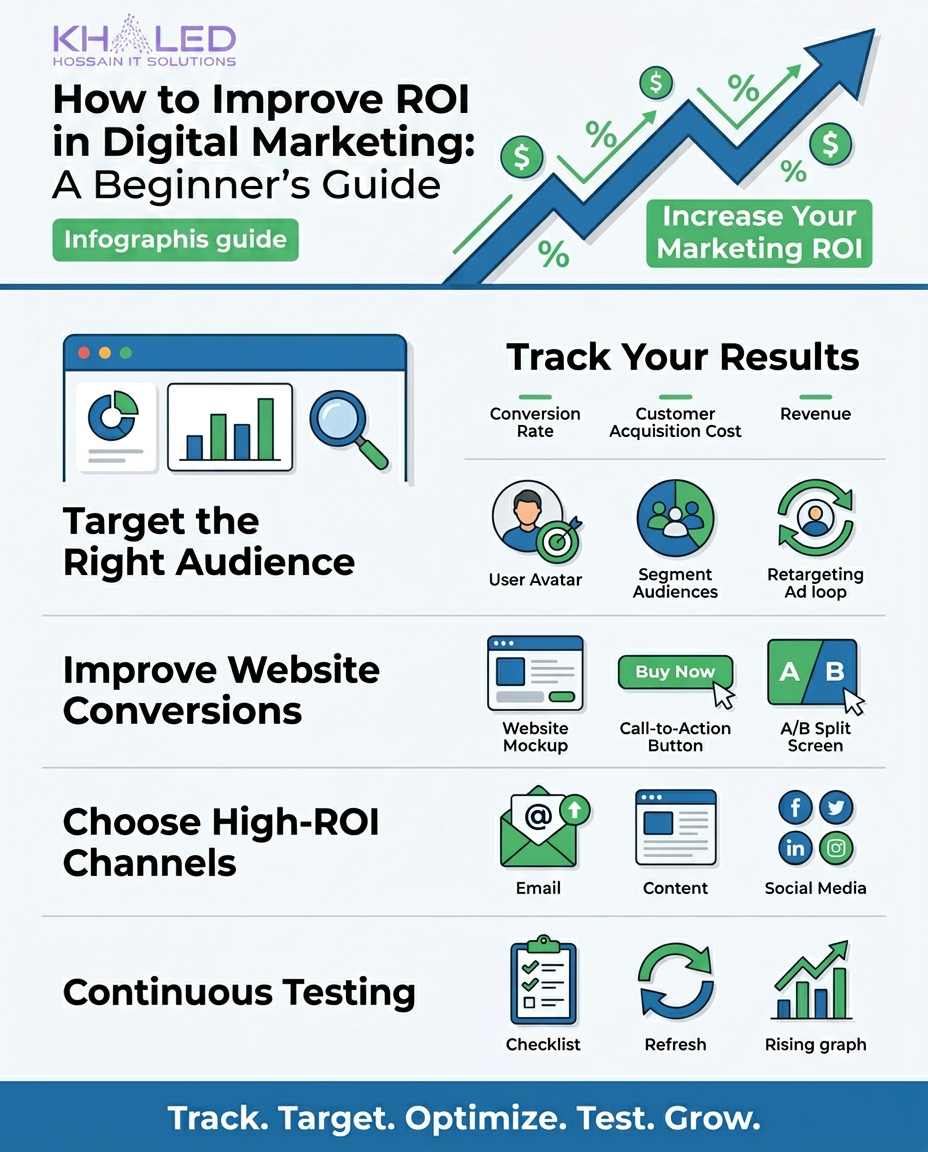
How to Improve Lead Conversion Rate (Core Strategies)
Improve landing page quality
Your landing page is the first impression of your offer. It should be simple and focused.
To improve it:
• Use a clear headline that explains your offer• Keep the design clean and distraction-free• Focus on one goal per page• Make your value very easy to understand
A strong landing page guides visitors instead of confusing them.
Optimize your messaging
Your message should speak directly to your customer’s problem. Many beginners only talk about their product, not the benefit.
To improve messaging:
• Focus on how your product solves a problem• Use simple words that anyone can understand• Avoid technical or complex language• Highlight real benefits, not just features
When people feel understood, they are more likely to convert.
Build trust with your audience
Trust is one of the strongest factors in conversion.
You can build trust by:
• Adding customer reviews and testimonials• Showing real case studies or success stories• Displaying your business contact details clearly• Using real images instead of stock photos when possible
The more real your business feels, the more people trust it.
Use strong call-to-action (CTA)
A call-to-action is the button or message that tells users what to do next.
To improve CTAs:
• Use clear action words like “Get Started” or “Request a Quote”• Place CTAs in multiple visible areas• Make buttons stand out on the page• Keep the action simple and direct
A weak CTA can lower your conversion rate even if everything else is good.
Improve Lead Quality for Better Conversion
Target the right audience
Not all traffic is equal. If you attract the wrong people, your conversion rate will stay low.
To improve targeting:
• Use SEO keywords that match your service• Focus on users who already need your solution• Avoid broad or unrelated traffic sources• Understand your ideal customer clearly
When the right people visit your site, conversion becomes easier.
Use lead magnets
A lead magnet is something valuable you offer for free in exchange for contact details.
Examples include:
• Free guides or ebooks• Free consultation or audit• Discount offers or coupons• Free trials or demos
Lead magnets help you collect high-quality leads who are more likely to convert later.
Follow-Up Strategy to Increase Conversions
Importance of fast response time
Speed matters a lot in conversions. If someone shows interest and you respond late, they may lose interest or choose a competitor.
To improve response time:
• Reply to leads as quickly as possible• Use automated replies for instant engagement• Keep communication simple and helpful
Fast response builds trust and increases conversion chances.
Email and remarketing follow-ups
Most people do not convert on their first visit. That is why follow-ups are important.
You can use:
• Email marketing to stay in touch with leads• Reminder emails about services or offers• Remarketing ads to bring visitors back• Helpful content to build trust over time
Follow-ups keep your business in the customer’s mind until they are ready to buy.
Track and Improve Performance
Use analytics tools
If you do not track your data, you cannot improve it. Analytics tools help you understand what is working and what is not.
You should track:
• Number of visitors• Number of leads• Conversion rate percentage• Pages where users leave
This data shows where you need improvement.
Test and improve continuously
Improving conversion rate is not a one-time task. It requires testing and learning.
You can:
• Test different headlines• Try different CTA button text• Change page layouts• Compare results using A/B testing
Small changes can lead to big improvements over time.
Conclusion
Learning how to improve lead conversion rate is one of the most valuable skills in digital marketing. You do not always need more traffic to grow your business. Instead, you need to convert more of the traffic you already have.
By improving your landing pages, building trust, writing better messages, and following up with leads, you can increase conversions step by step. Even small improvements can bring big results over time.
The key is to stay consistent, test changes, and always focus on your customer’s needs. When your users feel understood and supported, they naturally convert more often.
FAQ: How to Improve Lead Conversion Rate
What is a good lead conversion rate for beginners?
A good lead conversion rate depends on your industry, but for beginners, anything between 2% to 5% is common. With better optimization, it can go higher over time.
Why is my lead conversion rate low?
Your conversion rate may be low due to unclear messaging, weak landing pages, slow website speed, or lack of trust elements like reviews and testimonials.
How can I quickly improve lead conversion rate?
You can improve it quickly by making your landing page simple, adding a strong call-to-action, and improving your offer clarity. Small changes can make a big difference.
Does SEO help improve lead conversion rate?
Yes, SEO helps bring the right audience to your website. When targeted visitors find your site, they are more likely to convert into leads or customers.
What is the most important factor for improving conversions?
Trust is the most important factor. If users trust your brand through reviews, clear information, and professional design, they are more likely to take action.


Comments